


WEDNESDAY, OCTOBER 15, 2025
Law has long been the exclusive domain of lawyers and lawyer-owned firms. Regulatory reforms — abroad and domestic — are altering the competitive marketplace. In this program we will examine advantages and disadvantages of non-lawyer ownership for law firms and their clients.




David Perla on what capital in the legal industry could do
Wendy Muchman warning on private investment
David Rizzo highlights what companies have in place to protect law practice
WEDNESDAY, SEPTEMBER 24, 2025
Lawmaking and rulemaking have historically been time-intensive and reliant on analog tools. In this program we will discuss challenges and opportunities that arise from integrating artificial intelligence and other disruptive technologies into traditional regulatory processes.


Cary Coglianese on bias in algorithms
Cary Coglianese on AI taking the bar exam
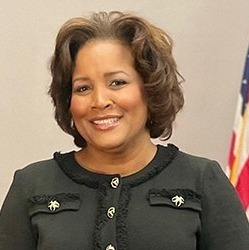
The Honorable J. Michelle Childs on the human origins of AI and its data
MONDAY, APRIL 14, 2025
Artificial Intelligence is already performing critical tasks lawyers have traditionally handled. At least for now, though, AI models in law continue to rely on advanced pattern recognition, rather than engaging in actual legal reasoning. In dialogue with leading thinkers in technology and law, our opening conversation will consider whether and how AI might match — or even exceed — human lawyers' reasoning capabilities by 2050.




TUESDAY, APRIL 29, 2025
Until recently, it was impossible to conceive of adjudication without humans. However, the advent of algorithmic tools and artificial intelligence has revamped the operations of administrative agencies and courts. Proponents argue that these innovations make adjudication better and more efficient whereas detractors focus on the absence of transparency and accountability. This program imagines the future of adjudication and the shifting place of judges and other human adjudicators in that future. .



WEDNESDAY, OCTOBER 29, 2025
The legal system is unimaginable without courts, even as parties increasingly flock to alternatives — online and offline — to resolve disputes. This program contemplates the place of physical courts in the increasingly digitized and globally interconnected legal landscape.